How to Prepare Your Home for Spring with Eco-Friendly Power Washing

Understanding Eco-Friendly Power Washing
As spring approaches, it's time to refresh your home and surroundings. One effective way to achieve this is through power washing. However, it’s crucial to consider the environmental impact of traditional methods. Eco-friendly power washing offers a sustainable alternative, ensuring your home is clean without harming the environment.
Eco-friendly power washing utilizes techniques and products that minimize water usage and avoid harsh chemicals. This not only protects the planet but also preserves the health of your family and pets.
Choosing the Right Equipment
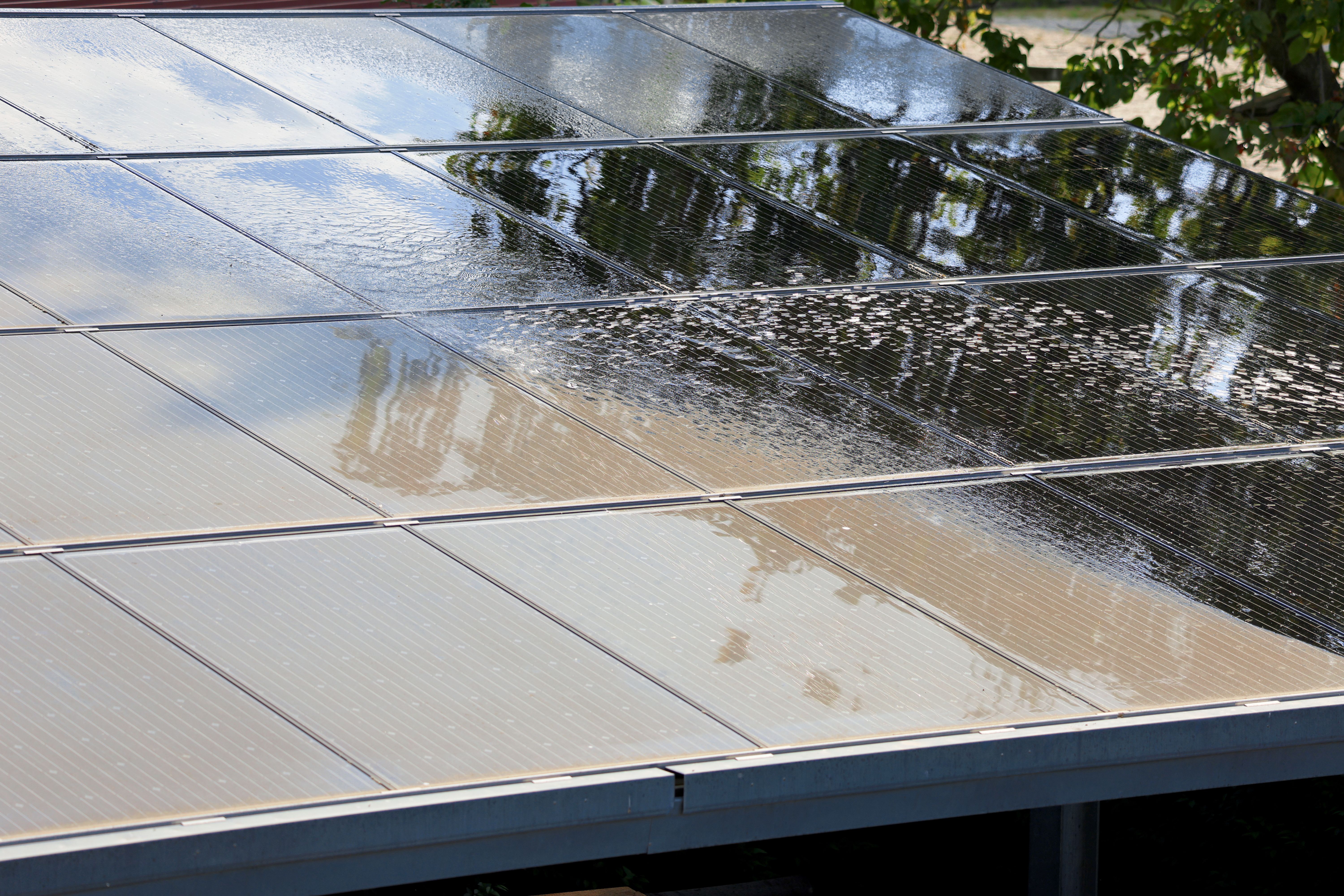
The equipment you use plays a significant role in ensuring an eco-friendly process. Opt for a power washer that features adjustable pressure settings. This allows you to use only the necessary force, conserving water and reducing wear on surfaces.
Additionally, consider using a model with a high-efficiency motor. These are designed to consume less electricity, further reducing your ecological footprint.
Eco-Friendly Cleaning Solutions
Traditional power washing solutions often contain chemicals that can be harmful to the environment. Instead, choose biodegradable and non-toxic cleaners. These products are designed to break down safely, preventing pollution and safeguarding local wildlife.
You can also create homemade cleaning solutions using household items such as vinegar and baking soda. These natural ingredients are effective in removing dirt and grime while being gentle on the environment.
Preparing Your Home
Before starting the power washing process, it's essential to prepare your home properly. Remove any outdoor furniture, potted plants, and decorations to prevent damage. Cover delicate plants and electrical outlets with waterproof materials for added protection.

Conserving Water
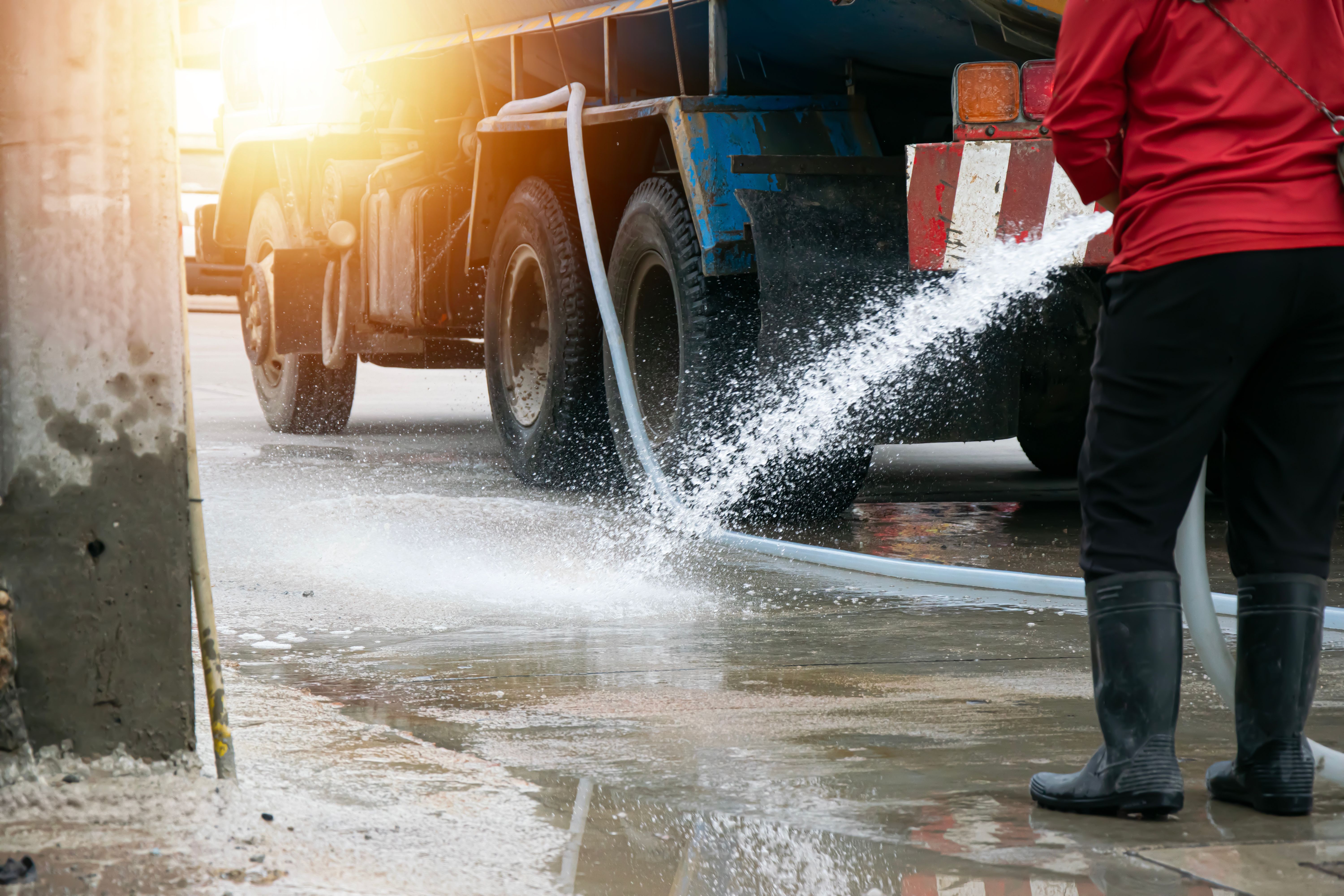
One of the main concerns with power washing is water consumption. To conserve water, focus on high-traffic areas and surfaces that genuinely need cleaning. Use the power washer's settings to control the flow and pressure, ensuring you use only what is necessary.
Collect and reuse water when possible. Some power washers come with water recycling features, allowing you to minimize waste and reduce costs.
Safe Disposal of Wastewater
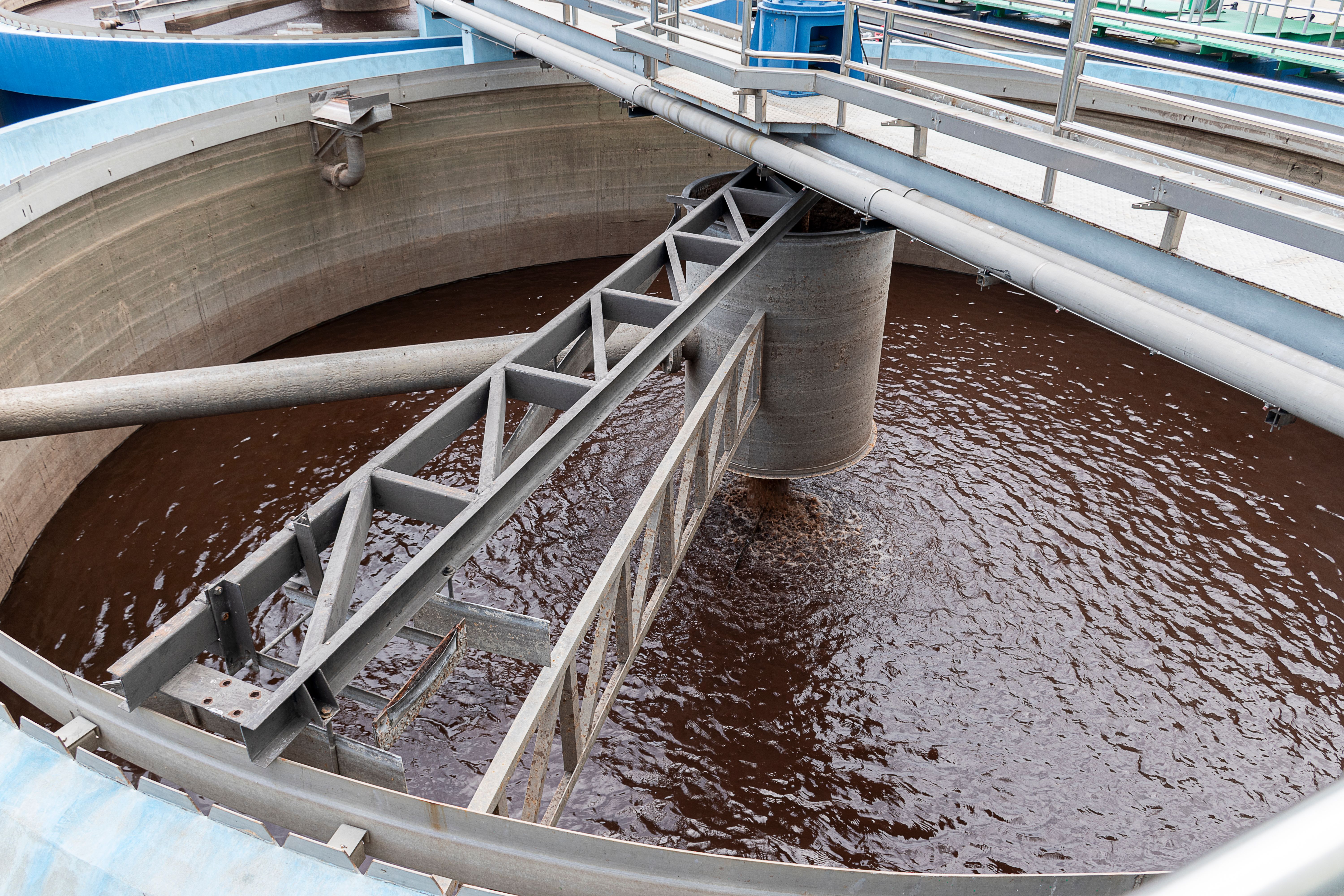
After power washing, ensure that the wastewater is disposed of responsibly. Avoid letting it run into storm drains, as this can carry pollutants into local waterways. Instead, direct the water onto grassy areas where it can be naturally filtered.
If using biodegradable solutions, the water can often be safely absorbed by the ground, helping to nourish plants and soil.
Final Touches
Once the washing is complete, take the time to inspect your home for any missed spots or areas needing additional attention. This is also a great opportunity to perform other eco-friendly tasks, such as setting up a rain barrel or planting native species to complement your clean home.
Embracing eco-friendly power washing is a step towards a cleaner, greener home. By making thoughtful choices, you can enjoy the beauty of spring without compromising the environment.